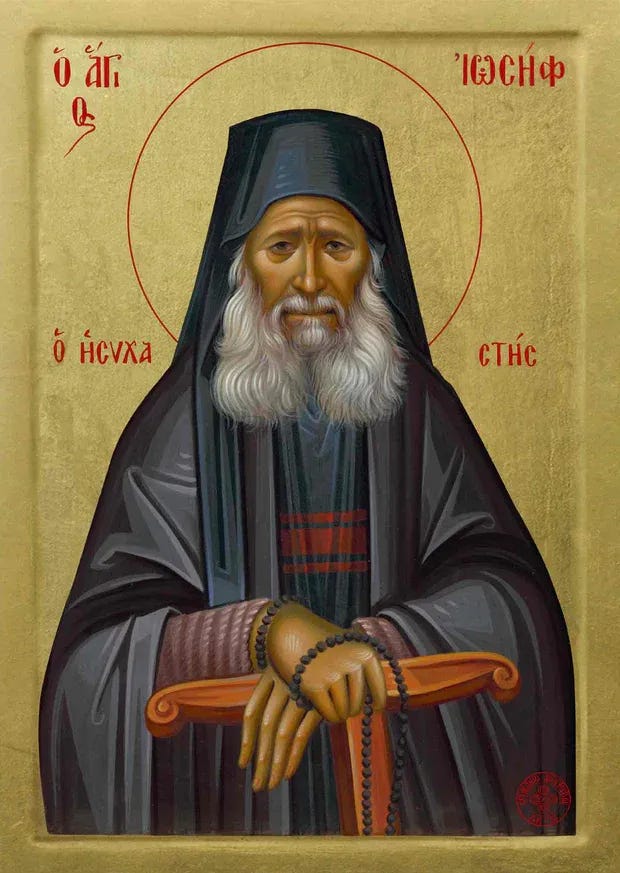
Elderhood
Bridging one to the heavens


“The old ones seemed to be listening beyond the mortal sounds of the night, to voices only pure hearts could hear.”
- Tom Brown Jr. (Grandfather)
Francis
The warm humid wind swirls and drifts as it carries three sharp beaked seagulls, hovering above the landscape that shifts beneath them. The sun is high in the air, providing no solace of shade to the habitat of jaded rock and chestnut trees that receives its ray. This wind breathes in the face of a young man, taking the air away from his lungs and penetrating into his eyes which causes tears to well.
These tears, however, are not foreign to him, as he has been weeping long lost laments. His name is Francis, but he wouldn’t tell you that was his name, as he hasn’t felt that the right to claim one. Perhaps, because if you have a name, you belong, and he has had no place but these chestnut trees to call home for a long while.
In a reaction to the rushing wind, Francis looks above him at the sea birds, the wind slicing through his neck. They stay in place, feathers fluttering, for only a brief moment more, then veer across the cloudless sky unto its farthest end. He wears a simple black robe that seekers often do when they step onto this Holy Mountain, as they cease to be of this world. But Francis is no monk, he is just a man, yearning for the furthest stars without the eyes to see.
These wonders sought by Francis are of that which resides within, as he seeks true prayer of the heart; noetic prayer. From one skete (solitary monastic community) to another, he seeks an elder to edify his path, teaching him the ways of the holy saints and ascetics. Without a guide, however, he is surely lost to himself, and for this he weeps bitter tears of despair.
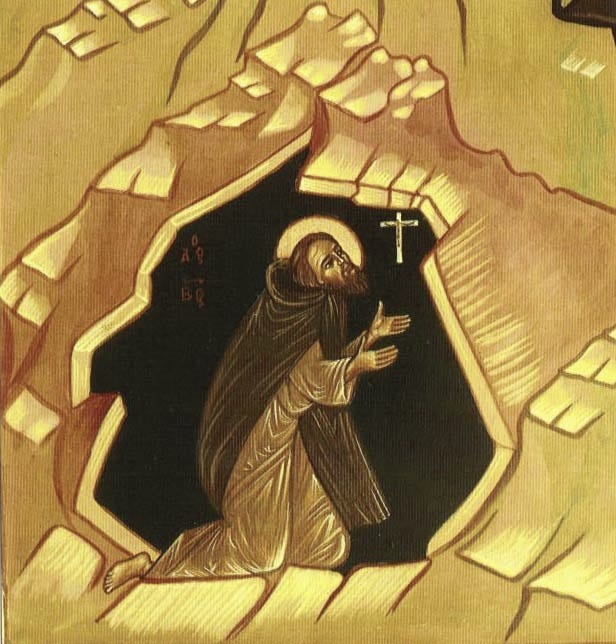
Slowly looking down from the revoking sky, Francis sets his eyes on a distant cave that strikes deep within the face of a distant drifting cliff; this is where all of his failed attempts to find a teacher of fathomless prayer and asceticism have led him, this is his last chance.
Wisdom
Learning from and enduring the liminalities of changes which proceed throughout the lifespan, there is a great presence which makes itself known to a soul witnessing such passages of time; the presence of wisdom. Wisdom, in essence, is a posteriori. This notion posits that it is through the passage of experience that one becomes wise.
To attain wisdom, one must be intimately involved in the acquisitional process, more so than purely academic pursuits. In this light, wisdom is personal, innermost, and raw. It comes through the eyes of hindsight, looking back on what was in order to give depth to experience in its entirety, of both past, present, and future.
Such knowing is seeded in ones archeology, fragments of understanding and memories being the artifacts, which when pieced together, become ones assemblage of meaning. The totality of this assemblage, however, equates to more than the sum of its respected parts, as such historical inventories grow together into wisdom.
A stark difference is evident, however, between raw retrospective data and a posteriori wisdom. The former is impersonal, factual, and in such detachment is unwise. The later, however, is harmonized through the the individual who has experienced it, as it is the personally interpreted quality to such information that allows for retrospective data to become story.
This ultimately means, that to be wise, one must live. To attain wisdom, one must consistently change and grow, all the while look for the hidden wisdom nested within such experiences. One must walk through the dry desert yet have the capacity to appreciate its landscape.

Hugging the rock walls which face above the sheer cliffs below. Francis slowly makes his way to the mouth of the cave where it is said that Elder Daniel of Katounakia resides. The sea birds return, this time circling the deep grey and blue waters which lay far below Francis’s carful footsteps.
Far above his head where the cliffside plateaus, the chestnut tree branches reach over the edge, trembling in the swaths of wind. At the end of the spine-like path which curves and bends with the cliffside is a small metal roof and two jaded stone wall which enclose part of the cave, constructing the skete where Elder Daniel is said to reside.
Francis approaches the front of the enclosure with fear and hesitancy. He so wants to find an elder to guide him, yet at the same time, he fears of another instance of rejection. In listening to the still world around him, allowing anxiety and despair to burn away his heart, does Francis hear a soft gentle voice come from the enclosure, echoing through the fibers of Francis’s being.
“Are you to come in?” Elder Daniel said with a loving curiosity.
“Yes Father!” Calmly exclaimed Francis, startled and excited.
Inside the skete was dark and minimal, consisting of only a sleeping quarters and a few icons hung on the wall. The daylight illuminated the room, Elder Daniel sitting in the shadow cast by Francis in the doorway. Elder Daniel wore a long grey and white beard which hung down his chest. His face was worn from a life of ascetic practice and vigil prayer. Most of all, his soft eyes bore the stillness of the heavens, and it was through these very eyes, that Francis new that he had found the one to follow.

Elderhood
In the development of experiential wisdom, the wise have the opportunity to become elders to those who walk the path after them, guiding them rough ventures novel to the novice, yet nostalgic to the sage. In this, a posteriori wisdom transcends the one who transmutes meaning from experience, as its utility expands to inform the experiences of others. Wisdom then becomes very much valuable to all things.
The task of the elder thereby becomes to allow their story to become myth, for their experiences to permeate with meaning for others to behold. It is through this process alone that transmission of experientially integrated literacies take place, as through elderhood, the elders experience and stories become part of the pupils experience.
Personal mythology ascends to cultural mythology as the stories of elders are passed down from age to age, informing the generation to come, and evolving into transcendent wisdom, from the pains and struggles of one, to an odyssey for all to behold.
Through this very evolution, the wisdom of Elder Daniel shaped Francis—later known as Elder Joseph—who, like his predecessor, entered sainthood, teaching and guiding countless souls for eternity.