Numinosity
A blinding light in the turbulent dark

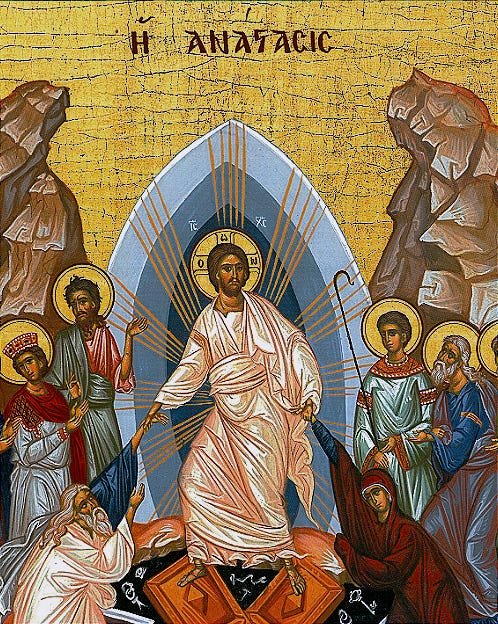
“People feel in their souls when they are doing the proper thing.”
-Saint Sophrony, Saint Silouan the Athonite
Brother Simeon
Within the rural reaches of Greece, pale rock capped with abundant vegetation pierce through crystal waters. High above the crashing waves and changing tides humbly stands an uncountable number of towers, huts, lodgings, and churches. Unlike the tides, these structures have been left unchanged from the heights of Byzantine Christendom, as this timeless scene are of the monasteries of Mount Athos.
Fresh from his military service for the Russian forces, a tall young man by the name of Simeon had made a long journey to this edge of the world with the intent to never leave. Eventually Tonsured as a schema monk by the name of Silouan (a name originating from Silvanus, meaning wild or woods), Brother Simeon entered into the monastic life with the intent many do; to live out his love for his Creator, to actualize the imago dei through prayer and devotion.
As easy of a goal as it sounds, the young vivacious novice we now follow could not be further from such a statement. Through long fasts and vigils (period of sleeplessness), prostrations and prayers, Brother Simeon fought tooth and nail against the darkness that toiled him. It is written that during this time, he only slept one to two hours a night, often by way of unintentionally drifting asleep during ceaseless prayer.
Faced with the relentless demons of despair and hopelessness for months and months, Simeon entered into an abysmal sickness of heart. Lamenting his perceived despondency with God, our ardent young novice enters a black hell.
The Turbulent Dark
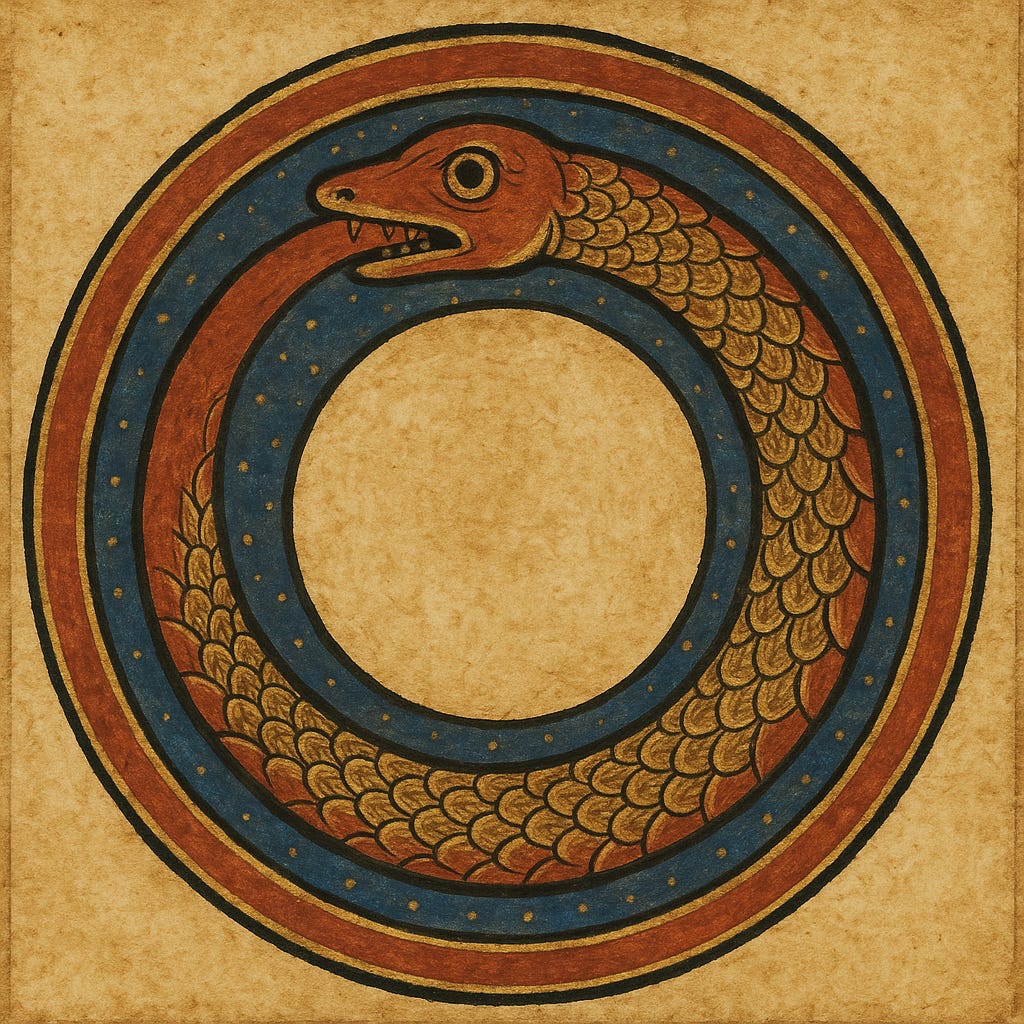
If having read this projects previous post, this horrific image does not seem all that bad, as this black hell is nothing less than the liminal. Defined by its indefiniteness, liminality is where one stands when there is nothing to stand upon.
In this state, as has been stated previously, all we know is that we don’t. One is nowhere yet everywhere, nothing yet everything. This is the unfortunate law of becoming: before something is specified and defined in existence, it is everything unspecified and undefined in non-existence.
This however orients liminality in a progressive light, as being an overture to something more; a catalyst for something eminent.
But what?
In the midst of this nightmare, Brother Simeon attended a vespers service (evening prayer) as part of his regular and grueling spiritual discipline. Aching from every atom in his body and spirit, he stood as the Priest attended to the alter. The chorus of Byzantine hymn and tone rang and reverberated upward upon the crested dome of the chapel. Sweet aromas of honey and sap emanated from the incense censer in a ceaseless smoke, thinning the curtain that separates this world and the one to come.
Standing before a religious icon of Christ, Simeon stood in awe.
“In a manner passing all understanding the Lord appeared to the young novice, whose whole being was filled with the fire of the grace of the Holy Spirit - that fire which the Lord brought down with his coming”1
The Blinding Light
Often referred to theologically as revelation, vision, or prophesy, the numinous is where the divine resides.
Such animation completes the liminal, as in this case, the opposites legitimizes. This means, therefore, that if there was not the numinous, the liminal would not be defined by its transitional nature but rather its pure utter ambiguity (described thus as a limbotic void).
Out of the unutterable darkness arises an equally unutterable light, meeting the individual in the deepest level of the underworld and lighting the rest of the ascending way. The distinct characteristic of the numinous, however, is that the individual does not come to know the numinous nature that they encounter, but rather, they themselves become known.
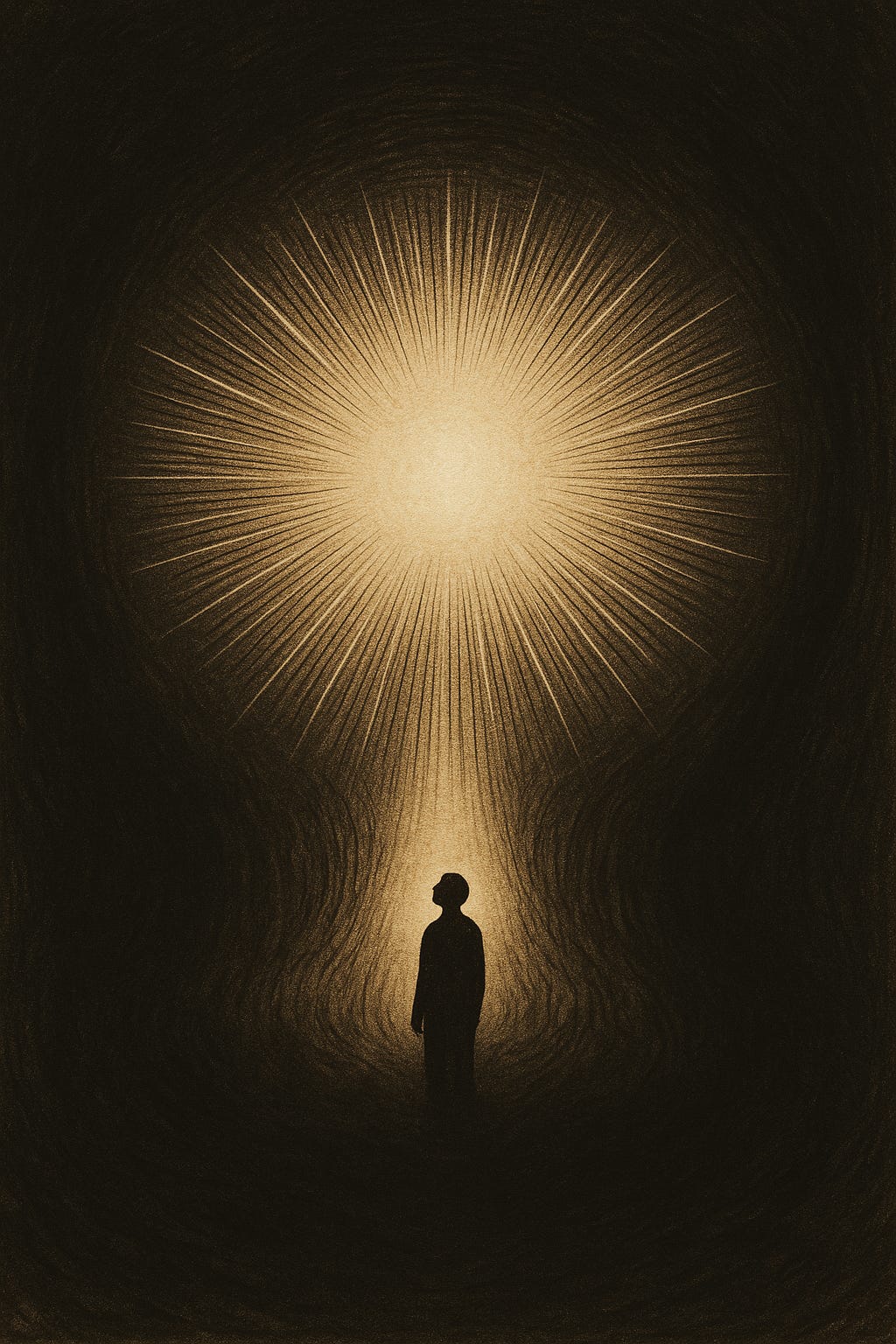
Herein lies the divine quality of the numinous; that one is not alone but suddenly apart of something greater. The word divine reveals this mystery to us, as it describes something that is transcendent, residing outside or separate from ones self.
Of course, it is not my aim to attempt to describe what one is numinously touched by in such an instance, as such a form has a thousand faces and names, however, it is vital to understand that it is through the numinous alone that one transcends the liminal darkness.
This ascension of light symmetrically completes the prior decent of dark. As described in an earlier entry, this journey has been detailed as a gnostic odyssey of knowing; wherein the liminal is the undiscovered. This thereby makes the numinous the light which reveals the world (imago dei).
Brother Simeon in that brilliantly awesome instant, intimately meshed with the numinous divine, witnessed that which he ventured into the black hell to behold.
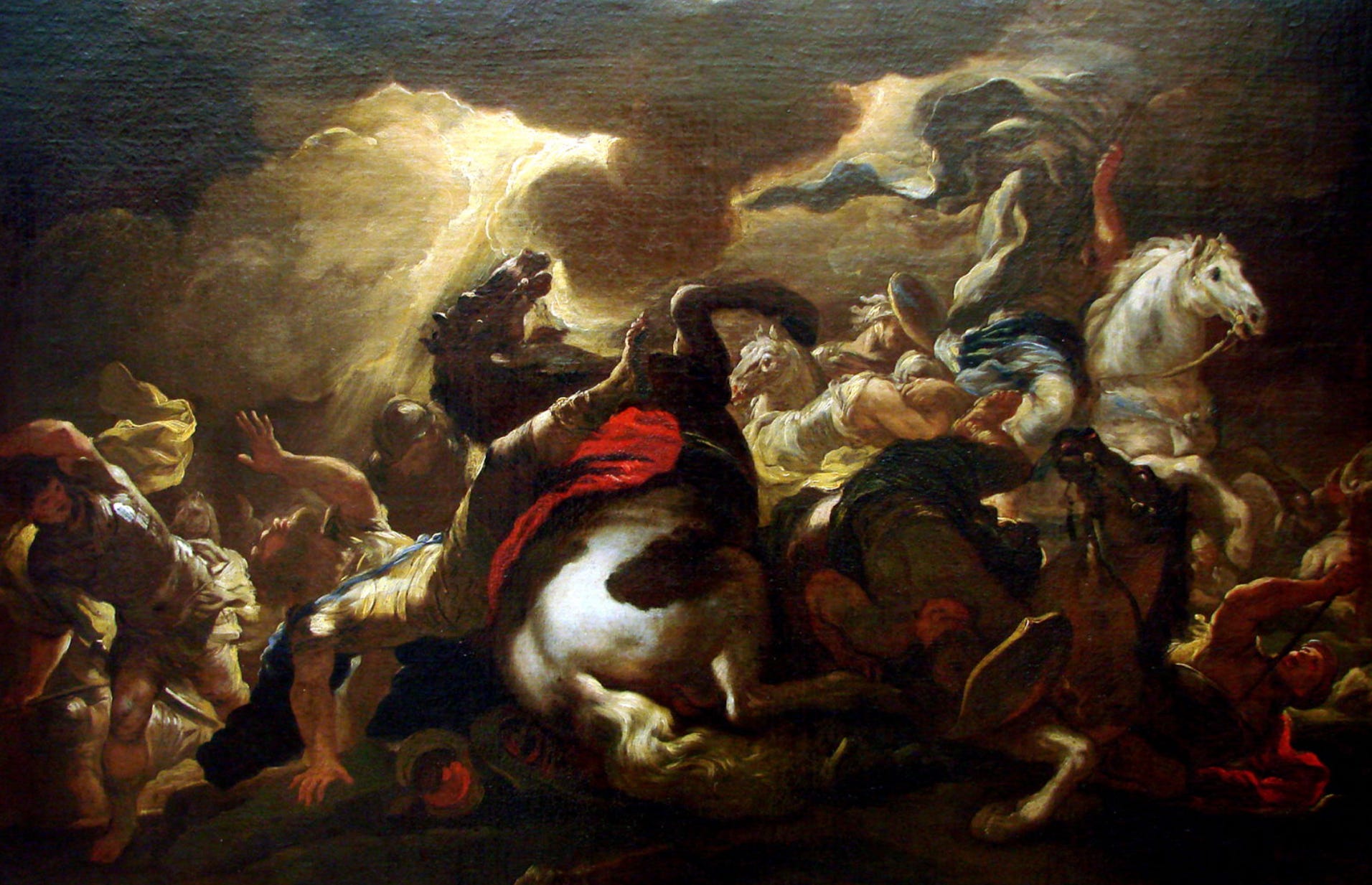
Sophrony, Archimandrite. Saint Silouan the Athonite. Translated by Rosemary Edmonds, St. Vladimir’s Seminary Press, 1991, p. 29.